
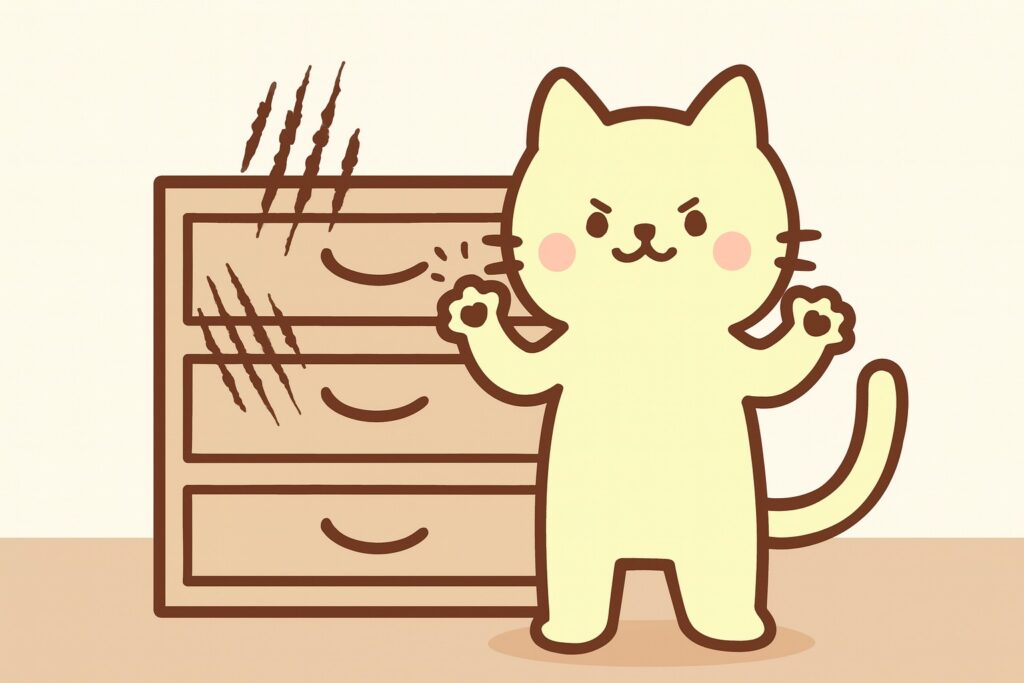
🐾 Understanding Cat Scratching Behaviors
Cat scratching is an essential and instinctive behavior that supports a cat’s overall well‑being. Far from being destructive, scratching fulfills multiple natural needs, including territory marking, claw maintenance, and physical stretching. Recognizing these motivations helps cat owners protect their furniture while respecting their pets’ instincts.
🐱 Why Cats Scratch
- Territory Marking: Cats have scent glands in their paws. When they scratch, they leave both a visible mark and a scent, signaling ownership of space. For indoor cats, this behavior compensates for the absence of outdoor territorial boundaries.
- Claw Maintenance: Scratching removes the outer sheath of the claw, exposing a sharper, healthier surface. This natural process keeps claws strong and supports mobility in daily activities.
- Physical Stretching: Scratching engages multiple muscle groups, promoting flexibility, agility, and overall fitness. It’s a built‑in exercise routine that enhances a cat’s range of motion.
🛋️ How Owners Can Respond
By understanding these behaviors, cat owners can provide appropriate outlets such as scratching posts, pads, or cat trees. These solutions satisfy a cat’s instinctive needs while protecting household furniture. Constructive management of scratching not only prevents damage but also strengthens the bond between cats and their owners, creating a more harmonious living environment.
🛋️ Assessing the Damage: Identifying Problem Areas
To effectively protect furniture from cat scratches, a thorough assessment of your living space is essential. Cats are naturally drawn to surfaces that provide texture, comfort, or elevation, and identifying these high‑risk areas is the first step toward prevention.
🪑 Common Furniture Targets
- Upholstered Furniture: Sofas and chairs often attract cats because their fabric texture allows for stretching and claw engagement. Corners and edges are especially vulnerable.
- Wooden Surfaces: Tables, cabinets, and other wooden items may be appealing due to their natural grain and solidity. Look for existing marks that indicate frequent scratching.
- Elevated or Sunny Spots: Cats enjoy perching in high places or near windows. Furniture in these areas is more likely to sustain scratches.
🏠 High‑Value Items
Sentimental or irreplaceable pieces, such as heirloom furniture or cherished decorations, should be prioritized for protection. Cats often jump or play near these items, increasing the risk of accidental damage. Using protective covers, deterrent sprays, or scratch guards can help safeguard valuable belongings.
🐾 Observing Cat Behavior
Understanding your cat’s habits is critical. Pay attention to where they scratch or play most often. This insight allows you to prioritize vulnerable furniture and implement targeted solutions.
🛡️ Building a Strategy
By combining furniture assessment with behavioral observation, owners can create a comprehensive prevention plan. This approach ensures both the protection of household furnishings and the fulfillment of a cat’s natural scratching needs, resulting in a more harmonious living environment.
🐾 The Importance of Providing Alternatives
Providing alternatives for scratching is an essential aspect of responsible cat ownership. Scratching is a natural feline behavior that supports claw health, territory marking, and muscle stretching. Without suitable outlets, cats may turn to furniture or household items, leading to frustration for both pets and owners. Offering appropriate alternatives ensures cats can express their instincts in a healthy way while protecting valuable belongings.
🪵 Effective Alternatives to Furniture Scratching
- Scratching Posts: Available in sisal, carpet, or cardboard, these posts cater to different preferences. Placing them near areas where cats already scratch helps redirect behavior.
- Scratching Pads: Offered in vertical or horizontal designs, pads accommodate diverse scratching habits. They can also blend seamlessly with home décor.
- Cat Trees: Multi‑functional structures that combine scratching surfaces with climbing and resting areas. They enrich the environment, promote exercise, and satisfy instinctual needs.
🐾 Benefits of Providing Alternatives
- Furniture Protection: Redirects scratching away from sofas, chairs, and wooden surfaces.
- Behavioral Redirection: Encourages cats to use designated areas, reducing conflict in the household.
- Physical & Mental Health: Supports claw maintenance, flexibility, and overall well‑being.
- Stronger Bond: Enhances the relationship between cats and owners by fostering a harmonious environment.
🛡️ Furniture Protectors: Options for Every Style
Safeguarding furniture from cat scratches is a practical and stylish necessity for many households. Cats are naturally playful and instinctive scratchers, so investing in the right protectors helps maintain both the beauty and functionality of your home. With several effective options available, owners can choose solutions that balance durability with design.
🧵 Fabric Guards
Fabric guards create a protective barrier on upholstered furniture, enhancing resistance to tears and abrasions. They are especially useful for sofas and chairs, but compatibility with specific upholstery materials is important to preserve texture and appearance.
🪑 Slipcovers
Slipcovers offer an elegant solution that combines protection with style. Available in a wide range of colors and patterns, they can refresh the look of furniture while shielding it from scratches. Slipcovers are ideal for multi‑cat households or homes with frequent guests, though they may require regular washing to stay clean.
📏 Adhesive Protectors
Transparent adhesive sheets provide a minimalistic approach to scratch prevention. They can be applied directly to high‑risk areas such as corners or edges. While discreet and replaceable, adhesive protectors may not suit every interior style, and some homeowners may find them visually disruptive.
🎨 Choosing the Right Fit
When selecting protectors, consider both functionality and aesthetics. Patterned slipcovers or color‑coordinated fabric guards can elevate interior design while offering reliable defense. The right choice ensures your furniture remains safe from feline antics without compromising your home’s overall décor.
🐾 Training Techniques to Discourage Scratching
Scratching is a natural feline behavior rooted in exercise, claw maintenance, and territory marking. While it cannot—and should not—be eliminated, owners can use training techniques to redirect scratching away from furniture and toward appropriate outlets.
🎯 Positive Reinforcement
Rewarding cats for using designated scratching posts or pads is one of the most effective methods. Rewards may include:
- Treats
- Verbal praise
- Extra playtime
Placing scratching posts in areas where cats already scratch makes it easier for them to form new habits.
🔄 Behavior Redirection
When a cat scratches furniture, gently guide them toward their scratching post. Consistency is key—redirecting them repeatedly helps establish acceptable scratching zones. Providing multiple scratching surfaces (vertical and horizontal) ensures variety and reduces unwanted scratching.
🚫 Negative Associations
Creating mild deterrents can discourage cats from targeting furniture:
- Cat‑safe sprays with bitter flavors
- Double‑sided tape on high‑risk areas, which cats dislike due to texture
These methods should always be paired with appealing alternatives, ensuring cats have a positive outlet for their instincts.
🐕🦺 Balanced Approach
Effective training requires patience and consistency. By combining rewards, redirection, and deterrents, owners can teach cats appropriate scratching habits. This approach protects furniture while supporting feline well‑being, resulting in a more harmonious home environment.
🌿 Utilizing Cat Attractants for Improved Scratching Behavior
Redirecting a cat’s scratching behavior can be achieved through the use of cat attractants, such as catnip and pheromone sprays. These products encourage cats to engage with designated scratching posts instead of household furniture, making them valuable tools for behavioral redirection.
🐱 Catnip as a Natural Attractant
Catnip, a herb from the mint family, contains nepetalactone, a compound that triggers a euphoric response in approximately 50–75% of cats. Applying catnip to scratching posts increases the likelihood that cats will choose them over other surfaces. This playful stimulation not only redirects scratching but also enriches the cat’s environment.
🐾 Pheromone Sprays for Comfort and Familiarity
Pheromone sprays mimic the natural chemical signals cats use to communicate and mark territory. When applied to scratching posts, they create a sense of comfort and familiarity, encouraging cats to scratch in appropriate areas. Many commercial pheromone products are specifically designed for this purpose, offering an effective solution for managing scratching behavior.
🎯 Maximizing Effectiveness
- Pair attractants with positive reinforcement (treats, praise, or playtime).
- Place scratching posts in high‑traffic areas where cats naturally spend time.
- Experiment with different attractants or combinations to discover what works best for your cat’s preferences.
🛋️ Benefits of Cat Attractants
- Furniture Protection: Redirects scratching away from sofas, chairs, and wooden surfaces.
- Healthy Habits: Encourages natural scratching behaviors in designated areas.
- Harmonious Living: Supports both feline well‑being and household preservation.
✂️ Regular Nail Care: A Crucial Component
Maintaining a cat’s nails is an essential responsibility that supports both feline health and household preservation. Regular nail trimming prevents discomfort, reduces the risk of overgrown claws, and significantly lowers the chances of unwanted scratching on upholstery and furniture. Without routine grooming, nails can become sharp and unruly, increasing the likelihood of damage as cats instinctively scratch to maintain their claws.
📅 Recommended Nail Trimming Frequency
- Every 2–4 weeks depending on the cat’s activity level and use of scratching posts.
- Active cats may naturally wear down their nails, requiring less frequent trims.
- Indoor cats often need more regular maintenance due to limited natural wear.
🐾 Best Practices for Nail Trimming
- Familiarization: Gently handle your cat’s paws and reward them with treats to build positive associations.
- Proper Tools: Use specialized cat nail clippers for a clean cut. Avoid cutting into the quick (the pink area containing blood vessels and nerves).
- Timing: Trim nails when your cat is calm, such as after playtime or a meal.
- Assistance: If needed, enlist another person to gently hold the cat and minimize movement.
🛋️ Benefits of Regular Nail Care
- Furniture Protection: Shorter nails reduce the risk of upholstery and wood damage.
- Safer Environment: Prevents painful scratching incidents for both pets and humans.
- Happier Cats: Well‑maintained claws allow cats to enjoy natural behaviors without causing harm.
- Holistic Prevention: Nail care complements other strategies like scratching posts and furniture protectors.
🌟 The Role of Environmental Enrichment
Environmental enrichment is a crucial strategy for reducing undesirable behaviors in cats, particularly scratching furniture. Scratching is instinctive and serves multiple purposes—territory marking, claw maintenance, and muscle stretching. When directed at furniture, however, it becomes a concern for pet owners. By enhancing the living environment, owners can protect household items while promoting feline well‑being.
🎮 Interactive Toys for Engagement
Providing a variety of toys stimulates a cat’s natural hunting instincts and redirects energy toward acceptable outlets. Options include:
- Feather wands
- Laser pointers
- Rolling balls or chase toys
These activities alleviate boredom, encourage play, and reduce the likelihood of cats seeking inappropriate scratching surfaces.
🧗 Vertical Spaces for Exploration
Cats thrive in environments with vertical options. Structures such as cat trees, climbing shelves, or window perches allow them to explore, observe, and exercise. Vertical enrichment supports energy expenditure, reduces stress, and minimizes destructive behaviors like scratching furniture.
🧩 Mental Stimulation for Curiosity
Puzzle feeders and treat‑dispensing toys challenge a cat’s intellect, encouraging problem‑solving and curiosity. Mental stimulation complements physical activity, creating a balanced environment that fosters healthier behaviors.
🐾 Benefits of Enrichment
- Furniture Protection: Redirects scratching away from valuable items.
- Stress Reduction: Enriched environments lower anxiety and destructive tendencies.
- Holistic Care: Supports physical, mental, and emotional well‑being.
- Harmonious Living: Strengthens the bond between cats and owners.
👩⚕️ Consulting Professionals: When to Seek Help
Managing a cat’s scratching behavior is often straightforward with training and environmental enrichment, but there are times when professional guidance becomes essential. If scratching appears excessive, unusually aggressive, or accompanied by other behavioral changes, consulting a veterinarian or animal behaviorist can provide valuable insights and solutions.
🐾 Signs That Professional Help May Be Needed
- Sudden Increase in Scratching: Could indicate stress, anxiety, or environmental triggers.
- Aggressive Scratching: May suggest frustration, territorial marking, or a need for attention.
- Medical Concerns: Conditions such as skin allergies, infections, or parasites can contribute to abnormal scratching.
🩺 Role of Veterinarians
Veterinarians can rule out medical causes and ensure overall health. They assess physical factors like skin conditions or parasites that may drive scratching, offering treatments that address underlying issues.
🎓 Role of Animal Behaviorists
Behaviorists specialize in feline psychology and can design tailored strategies, including:
- Behavioral Modification Techniques
- Environmental Enrichment Plans
- Recommendations for Calming Aids
- Guidance on Scratching Alternatives (posts, pads, toys)
🛋️ Benefits of Professional Guidance
- Accurate Diagnosis: Differentiates medical issues from behavioral concerns.
- Tailored Solutions: Customized strategies for your cat’s unique needs.
- Long‑Term Success: Prevents destructive scratching while supporting healthier habits.
- Harmonious Living: Strengthens the bond between cats and owners by reducing stress and frustration.